
How to Maintain Business Exteriors Year-Round
July 22, 2026
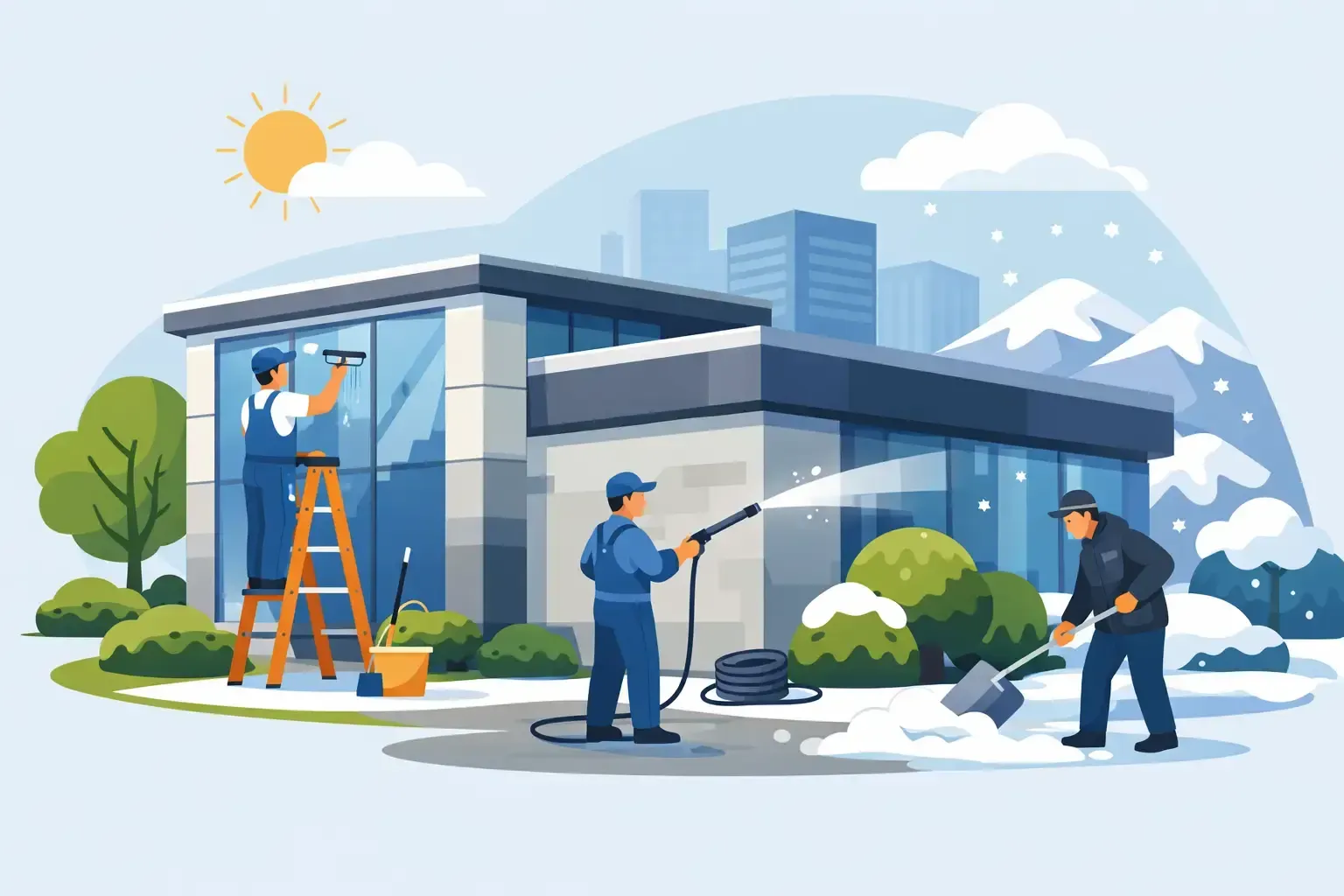
A customer may never comment on the condition of your parking lot, sidewalks, or entryway. But they notice. Windblown trash at the curb, oil spots in parking spaces, stained concrete, and overgrown landscape edges all shape the first impression before someone reaches your front door. Knowing how to maintain business exteriors helps protect your property’s appearance, reduce common safety concerns, and show customers that your operation is cared for.
For commercial properties in Bartow, Lakeland, and across Central Florida, exterior maintenance is not a once-a-year cleanup. Heat, rain, pollen, leaf litter, construction dust, and daily vehicle traffic create a steady workload. The most effective approach is routine service with clear priorities, not waiting until the property looks neglected.
Start With the Areas Customers Use First
The exterior areas that receive the most traffic should receive the most attention. For most businesses, that means the parking lot, drive lanes, sidewalks, entrances, curbs, dumpster areas, and storefront-facing landscaping. These spaces affect curb appeal, but they also affect how safely people can move around your property.
Parking lots collect more than leaves and paper. Gravel, broken glass, loose debris, cigarette waste, and standing dirt can create slip, trip, tire, and drainage issues. Regular parking lot sweeping removes debris before it is ground into the pavement or washed into drains during heavy rain. It also makes striping, curbs, wheel stops, and potholes easier to see during routine inspections.
Entryways deserve their own attention. A clean front walk and doorway tell customers that the business is open, active, and professional. If your entrance has gum buildup, mildew, food spills, or stains from landscaping runoff, power washing may be needed in addition to sweeping. Sweeping handles loose debris well. Power washing is better for built-up grime and stains. One does not replace the other.
Build a Routine for How to Maintain Business Exteriors
A dependable maintenance plan is based on what happens at your property, not a generic calendar. A busy retail center with restaurants will need more frequent sweeping and porter attention than a small professional office. A site near trees may need extra service in the fall, while a property with heavy delivery traffic may collect debris every day of the week.
Begin by walking the property at different times. Check it before opening, during peak traffic, and after closing. Look for where litter gathers, where water stands after rain, where landscape debris collects, and which walkways are most used. This gives you a realistic picture of the service level your property needs.
For many commercial sites, a weekly or multiple-times-per-week sweeping schedule keeps parking areas under control. High-traffic properties may need daily attention. Less active properties may do well with a regular weekly schedule plus cleanup after storms, events, landscaping work, or construction activity. The right frequency depends on traffic, nearby businesses, tree cover, weather exposure, and the standard you want customers to see.
A practical routine should cover four jobs:
- Sweep parking lots, curbs, drive lanes, and accessible parking areas to remove loose debris.
- Empty or monitor exterior trash receptacles and address litter around entrances and common areas.
- Inspect sidewalks, curbs, drains, signs, and wheel stops for hazards, damage, or buildup.
- Schedule power washing and detail cleanup before stains, mildew, and grime become harder to remove.
Keeping these jobs on a set schedule prevents small problems from becoming noticeable problems. It also gives managers a clear record of what has been handled and when.
Keep Safety in the Same Plan as Appearance
Cleanliness and safety are closely connected outside a commercial building. A debris-covered parking lot can hide broken pavement. Wet leaves and algae on a sidewalk can make footing less secure. Overflowing trash can attract pests and create unpleasant odors near customer areas. These are not just appearance issues.
During regular inspections, watch for standing water, clogged drains, loose wheel stops, broken glass, exposed curbs, low-hanging branches, and faded directional markings. Exterior maintenance crews can keep the property cleaner, but property managers should also have a process for reporting repair needs quickly. Sweeping reveals conditions that may otherwise stay hidden under litter and dirt.
Central Florida weather makes drainage especially worth watching. Heavy rain can move leaves, trash, and sediment toward storm drains in a short time. If debris builds up around inlets, water may pool in parking areas or near walkways. Regular sweeping and cleanup around drains support better water flow and help keep the site more presentable after a storm.
Power washing requires the same practical thinking. It can remove slippery growth, grime, and stains from sidewalks and concrete, but it should be scheduled carefully around customer traffic. Work performed after hours or before opening reduces disruption and allows surfaces time to dry. That is one reason flexible scheduling matters for commercial maintenance.
Do Not Let Back-of-Property Areas Fall Behind
Customers may not spend much time near dumpsters, loading areas, service corridors, or rear entrances. Employees, delivery drivers, vendors, and inspectors do. A neglected back-of-property area can create odor, pest, litter, and safety concerns that eventually affect the rest of the site.
Include dumpster pads, loading zones, storage areas, fence lines, and rear walkways in your maintenance plan. These areas often need a combination of sweeping, litter pickup, exterior cleanup, and occasional power washing. Cardboard scraps, loose packaging, food waste, and windblown debris can quickly spread from a service area into the parking lot.
Yard and exterior cleanup is especially useful after storms or landscaping work. Fallen branches, palm fronds, leaves, and grass clippings can block walkways and make an otherwise clean property look unattended. Addressing that debris promptly helps your staff focus on running the business instead of chasing cleanup tasks throughout the day.
Schedule Work Around Your Operations
The best maintenance plan is one your business can actually keep. If crews arrive during your busiest customer hours, cleanup may interfere with parking, deliveries, or foot traffic. If service happens too rarely, the property may look rough between visits. A good provider works with your operating hours and adjusts the schedule when conditions change.
For many retail, office, medical, and industrial properties, overnight or early-morning service is the most practical option. The lot is clearer, crews can work more efficiently, and customers arrive to a cleaner property. Restaurants, shopping centers, and other high-traffic locations may benefit from porter services during the day, with sweeping completed after closing.
Be clear about seasonal needs, too. Rainy periods, holiday traffic, local events, and nearby construction can increase debris quickly. A fixed schedule is useful, but it should leave room for additional cleanup when the property needs it. Dependable service means being available when conditions call for more than the usual visit.
Use One Standard Across the Entire Property
A clean storefront beside a dirty parking lot sends mixed signals. The same is true when the front entrance looks polished but the dumpster area is overflowing, or when sidewalks are clean but landscape beds are full of litter. Customers may not identify each detail, but they recognize whether a property feels consistently maintained.
Set a simple standard for the whole site: parking areas should be free of loose trash and hazardous debris, walkways should be clear and clean, exterior common areas should be presentable, and problem areas should be addressed before they spread. Assign responsibility for regular checks, whether that is an onsite manager, maintenance staff, or a commercial exterior service provider.
It also helps to document recurring issues. If litter repeatedly gathers near a particular storefront, if a drain clogs after every storm, or if a dumpster area needs extra attention, adjust the plan rather than accepting the problem as normal. Small changes in service frequency or cleanup coverage can make a visible difference.
Choose Consistency Over Emergency Cleanup
Emergency cleanup has its place after storms, accidents, or special events. But relying on it as your main plan usually costs more time and creates more disruption. By the time exterior neglect is obvious, stains may be set in, debris may be spread across the lot, and customers may already have formed an unfavorable impression.
Routine commercial sweeping, power washing, porter service, and exterior cleanup keep conditions from reaching that point. Performance Power Sweep has served local commercial properties since 1993 with scheduled services built around the needs of working businesses, including after-hours and 24/7 scheduling options.
Your exterior does not need to look elaborate to make the right impression. It needs to look cared for every day customers, tenants, employees, and vendors arrive. A reliable routine keeps that standard in place while giving your team one less property concern to manage.