
One-Time & Recurring Sweeping
Choosing the Right Sweeping Schedule
One-Time & Recurring Sweeping in Lakeland for properties determining maintenance frequency based on traffic, weather exposure, and appearance standards
Some properties need immediate cleanup after specific events, while others require ongoing maintenance to prevent accumulation. One-time sweeping addresses storm debris removal, construction completion, property turnovers, and special event cleanup where immediate results matter more than scheduled service. Recurring contracts focus on preventative maintenance that keeps pavement consistently clean rather than cycling between acceptable and neglected conditions. Performance Sweep provides both approaches, helping property managers across Lakeland match service frequency to actual site conditions instead of arbitrary schedules.
Decision factors include traffic density, surrounding land use, tree canopy, drainage design, and tenant expectations. A retail center with daily customer traffic faces different accumulation patterns than an office park with stable weekday use. Properties near construction or unpaved roads collect tracked debris faster than sites surrounded by established development. Understanding these variables determines whether monthly maintenance suffices or weekly attention becomes necessary.
Request a property assessment to identify the service frequency that maintains your standards without over-scheduling unnecessary cleanings.
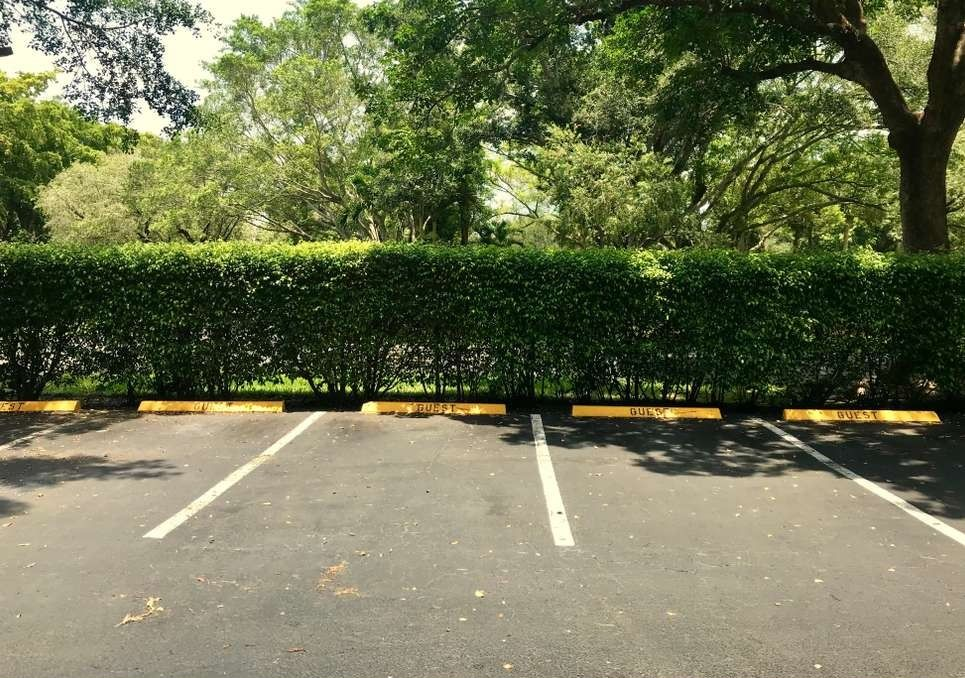
How Sweeping Frequency Affects Pavement Longevity
One-time sweeping removes concentrated debris following hurricanes, completing construction projects, or preparing properties for sale or lease. The service provides immediate improvement but does not prevent future accumulation. Recurring maintenance establishes scheduled intervals that address debris before it becomes visible, blocks drainage, or damages pavement surfaces through abrasive wear.
Properties on recurring schedules show consistently clean surfaces that maintain curb appeal, drainage systems that function during heavy rain instead of backing up, and pavement that lasts longer because abrasive particles get removed before traffic grinds them into binder. You notice the difference in tenant feedback, maintenance costs, and how properties photograph for marketing materials. One-time service creates temporary improvement, while recurring contracts sustain appearance standards month after month.
Common recurring intervals include weekly service for high-traffic retail and multifamily properties, biweekly schedules for moderate-traffic office parks and shopping centers, and monthly maintenance for lower-traffic professional buildings and industrial sites. Seasonal adjustments accommodate Florida's storm months when debris accumulation increases, then return to baseline frequency during drier periods. Performance Sweep builds flexibility into contracts to address both predictable patterns and unexpected cleanup needs.
Questions Before Starting Your Sweeping Program
Property managers evaluating sweeping options need clarity on scheduling, service differences, and how to match maintenance frequency to actual property conditions.
What situations require one-time sweeping instead of recurring service?
One-time cleanup makes sense after tropical storms, completing construction phases, preparing vacant properties for new tenants, or addressing neglected sites returning to active management.
How do recurring contracts provide better long-term value?
Scheduled maintenance prevents the heavy accumulation that requires extra equipment time to remove, catches drainage problems before they cause damage, and maintains consistent appearance that supports higher occupancy and tenant retention.
When should properties adjust sweeping frequency?
Increase service during fall leaf drop, hurricane season cleanup, or construction activity near your site, then return to baseline intervals once seasonal or temporary conditions resolve.
Why does traffic volume affect how often sweeping is needed?
Higher traffic generates more debris through increased vehicle tracking, concentrates wear patterns that break down pavement faster, and creates greater tenant expectations for clean parking and access areas throughout Lakeland commercial properties.
What factors indicate a property needs more frequent service?
Visible debris accumulation between cleanings, drainage backup during normal rain events, tenant complaints about cleanliness, or pavement staining from ground-in materials all suggest current frequency falls short of actual need.
Performance Sweep helps property owners determine whether one-time cleanup or ongoing maintenance best fits their operational needs and budget constraints. Reach out to discuss your property's specific conditions and establish a service plan that maintains the appearance standards your tenants expect.