Construction & Industrial Sweeping
Job Sites That Stay Compliant and Safe
Construction & Industrial Sweeping in Lakeland for active construction sites, warehouses, and manufacturing facilities managing dust and debris migration
Construction equipment tracks dirt, gravel, and mud onto surrounding roads, creating hazards and generating complaints from adjacent property owners. Performance Sweep provides job site sweeping that removes tracked materials before they spread beyond containment areas or trigger code enforcement notices. General contractors and facility managers use scheduled sweeping to maintain safer work zones, reduce airborne dust, and demonstrate compliance with erosion control requirements throughout project phases.
Heavy equipment traffic grinds debris into finer particles that become airborne or wash into storm systems during rain events. Sweeping captures these materials while they remain concentrated near loading areas, haul routes, and staging zones. The service addresses both active construction cleanup and final site preparation before occupancy or inspection, removing aggregate and dried concrete residue that standard cleanup methods leave behind.
Schedule an on-site consultation to establish the sweeping frequency your project requires based on soil conditions and traffic intensity.
What Proper Site Sweeping Prevents Long-Term
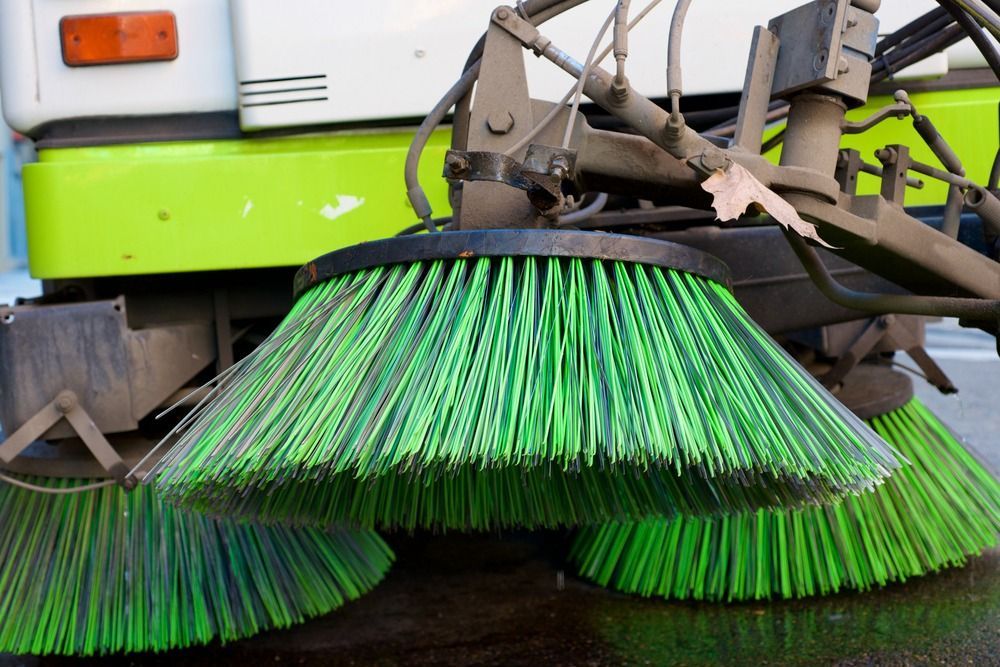
Construction sweeping uses heavy-duty mechanical brooms designed for aggregate and compacted materials that lighter equipment cannot dislodge. Vacuum systems capture fine dust generated during concrete cutting, grinding, and demolition work. Performance Sweep coordinates service around active trades to maintain clean access routes without interfering with material deliveries or equipment movement.
After sweeping service begins, you see loading docks clear of gravel that damages forklifts and causes tracking into finished spaces, haul routes that no longer deposit mud onto public streets, and warehouse floors free of the dust that coats inventory and clogs HVAC systems. Air quality improves in enclosed work areas, and final inspections proceed without delays for additional cleanup that should have occurred during construction phases.
Industrial facilities often schedule sweeping around production schedules to maintain clean shipping areas, prevent material contamination, and reduce the dust exposure that affects both equipment performance and worker comfort. Distribution centers with constant truck traffic may sweep loading zones multiple times weekly, while manufacturing sites focus on quarterly deep cleaning supplemented by targeted sweeping after maintenance shutdowns or process changes that generate unusual debris.
Common Questions About Industrial Site Sweeping
Project managers and facility supervisors throughout Lakeland deal with dust control requirements, tracking issues, and maintaining safe work environments across various industrial settings.
What debris does construction sweeping remove?
The service collects dirt, gravel, sand, concrete chunks, drywall dust, wood debris, metal shavings, and other materials generated during site development, building construction, and demolition work.
How does sweeping help with erosion control compliance?
Regular removal of tracked sediment prevents soil migration onto public roads and into storm drains, reducing the violations that trigger stop-work orders and fines from environmental regulators.
When should construction sites schedule sweeping?
Active projects typically sweep haul routes and staging areas weekly, increase frequency during heavy earthwork phases, and complete final cleanup before occupancy inspections or site turnover to owners.
Why do warehouses need regular sweeping beyond daily maintenance?
Forklift traffic grinds materials into fine dust that daily sweeping compounds cannot capture, requiring periodic deep sweeping with vacuum systems that remove embedded particles from concrete pores and control joints.
What factors determine sweeping frequency for industrial facilities?
Service intervals depend on production type, truck traffic volume, outdoor storage exposure, and the material handling processes that generate debris requiring containment rather than simple disposal.
Performance Sweep understands how construction schedules and industrial operations create unique cleanup challenges that standard janitorial services cannot address. Contact us to discuss a sweeping plan that maintains your site's compliance and safety standards without disrupting active work.