What Does Porter Service Include for Businesses?
July 20, 2026
A parking lot can look neglected long before it looks dirty enough to schedule a major cleanup. A few overflowing trash cans, windblown wrappers, cigarette butts near entrances, and a stained walkway can quickly affect how customers view the entire property. If you are asking what does porter service include, the short answer is routine, on-site exterior and common-area cleanup that keeps those small problems from becoming a daily eyesore or safety concern.
For commercial properties in Bartow, Lakeland, and surrounding Central Florida communities, porter service is a practical way to maintain a clean, professional appearance between larger sweeping, power washing, and maintenance visits. The exact duties depend on your property, traffic level, and service schedule, but the goal stays the same: keep the areas people see and use clean, safe, and ready for business.
What Does Porter Service Include at a Commercial Property?
Commercial porter service is recurring cleanup performed at agreed-upon times. A porter may service a retail center before tenants open, make daytime rounds at a busy office property, or handle evening cleanup after foot traffic slows down. Unlike a one-time cleanup, porter service is designed to provide consistent attention to the details that change throughout the day.
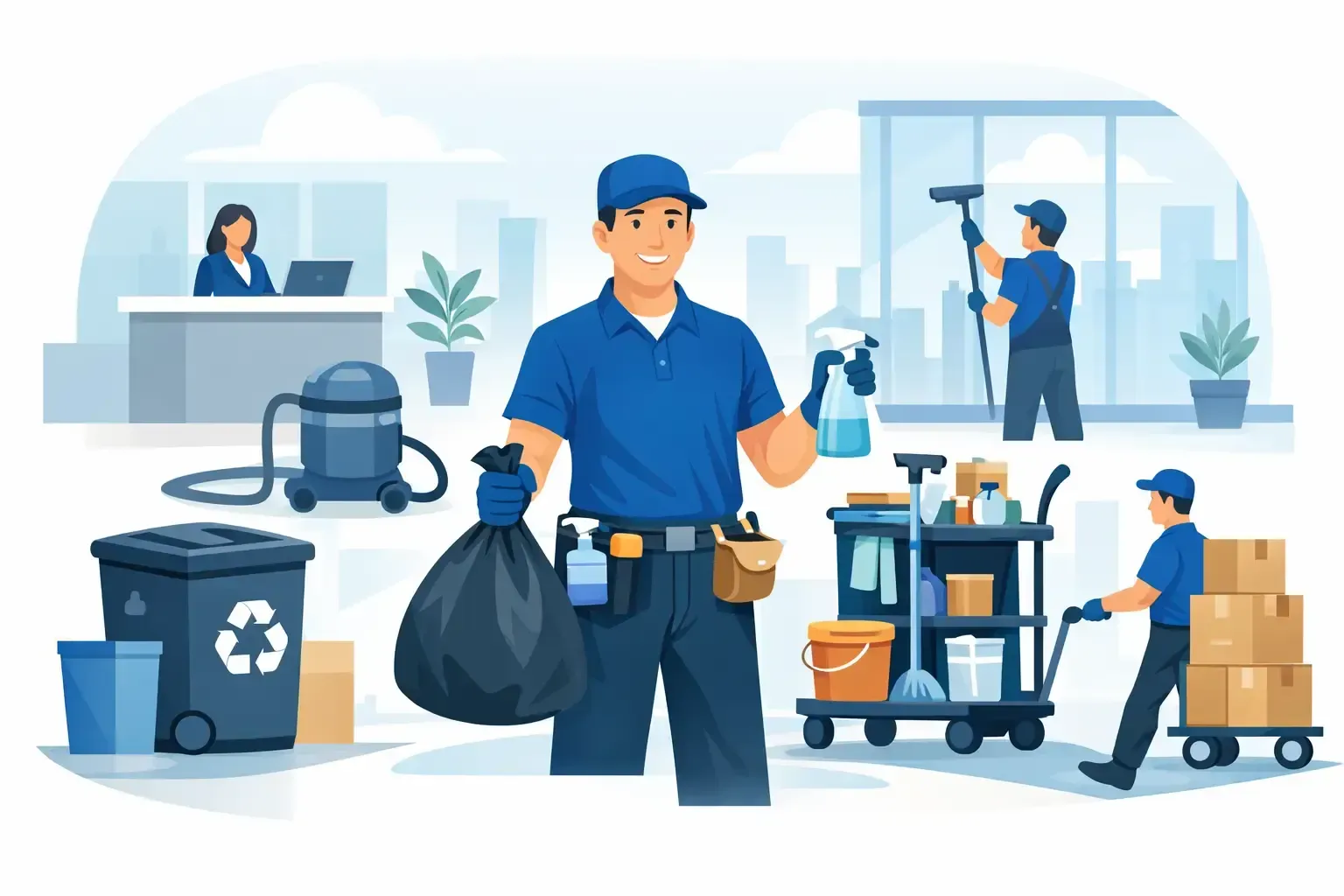
Typical porter duties may include litter and debris pickup across parking lots, sidewalks, landscaped islands, curbs, entrances, loading areas, and dumpster enclosures. Crews can empty or replace exterior trash liners, collect loose cardboard, remove small debris around storefronts, and keep common areas from becoming cluttered.
Depending on the scope of service, a porter may also handle the following tasks:
- Cleaning up spills, broken glass, and other visible safety hazards
- Wiping entry doors, outdoor tables, benches, and high-touch common surfaces
- Checking restrooms or other shared facilities and restocking agreed-upon supplies
- Spot-cleaning sidewalks, breezeways, and entry areas where dirt or stains build up
- Notifying the property manager about damage, illegal dumping, overflowing dumpsters, or maintenance issues observed during service
Not every property needs every task. A medical office may need clean entries and frequent trash checks, while a shopping center may need more attention around storefronts, cart corrals, curb lines, and dumpster areas. A good porter plan is built around the areas that create the most complaints, hazards, or poor first impressions.
Porter Service Is More Than Picking Up Trash
Litter pickup is a major part of porter work, but the value goes beyond collecting trash. Regular walks through the property give trained crews an opportunity to catch issues while they are still manageable. A tipped-over trash can, leaking bag, scattered glass, or buildup around a side entrance can be addressed before it affects tenants, customers, or employees.
This is especially useful in Central Florida, where wind, afternoon storms, landscaping debris, and high customer traffic can change a property’s appearance quickly. Parking lot sweeping removes accumulated debris on a scheduled basis. Porter service fills the gap between those visits by handling the visible, day-to-day cleanup that sweeping equipment is not intended to perform.
It also supports a more professional customer experience. Visitors may not consciously notice a freshly cleaned entrance, but they do notice when trash is piled near a door or the walkway feels uncared for. For retail properties, restaurants, offices, healthcare facilities, and multi-tenant locations, those details reflect on every business at the site.
Common Areas a Porter Crew Maintains
The service area should be clearly defined before work begins. That protects the property manager from assumptions and helps the crew focus on the places that matter most.
At a typical commercial site, porter service often covers parking spaces, drive lanes, sidewalks, storefront entrances, curbs, landscape beds, cart return areas, stairwells, breezeways, and dumpster pads. It may include exterior seating areas, smoking areas, mailboxes, and loading zones when those spaces are part of the customer or employee experience.
A property with several buildings may need a route that prioritizes high-traffic entrances and shared areas first. A smaller office site may only require a brief morning visit a few times per week. For a busy retail center, daily or multiple weekly visits may make more sense because litter, overflowing cans, and loose debris can return quickly.
What Porter Service Usually Does Not Include
Clear expectations matter. Porter service is often flexible, but it is not automatically a replacement for every exterior maintenance task.
Large-scale parking lot sweeping, extensive pressure washing, landscape maintenance, hazardous waste removal, major repairs, and bulky illegal dumping removal may require separate service arrangements. The same is true for deep restroom cleaning or interior janitorial work unless those items are specifically included in the scope.
That does not mean you need multiple vendors for every problem. Many commercial properties benefit from coordinating porter service with parking lot sweeping, street sweeping, power washing, and exterior cleanup. When the work is planned together, the property receives regular attention without paying for a major cleanup every time a small issue appears.
How Often Should You Schedule Porter Service?
The right frequency depends on how quickly your property gets dirty and how visible the property is to the public. There is no one-size-fits-all answer.
A low-traffic professional office may be well served by two or three visits per week. A retail plaza, restaurant corridor, medical facility, or high-traffic commercial property may need daily service. Sites with frequent deliveries, outdoor dining, large dumpsters, or heavy pedestrian traffic often need more frequent checks in targeted areas, even when the rest of the property remains in good condition.
Timing matters, too. Early morning service can have a property looking clean before customers arrive. Evening service may be better for businesses that want cleanup completed after closing. Flexible scheduling is valuable because maintenance should support operations, not interrupt them.
Benefits for Property Managers and Business Owners
Routine porter service helps property managers stay ahead of recurring exterior complaints. Instead of responding only after a tenant reports litter or a customer points out an overflowing trash can, the work is handled on a regular schedule.
It can also reduce safety concerns. Loose debris, spilled liquids, broken glass, and cluttered walkways create avoidable risks. While porter service does not replace a full safety program, it helps keep common areas clear and gives property managers another set of eyes on the grounds.
The business benefit is straightforward: a well-kept property supports curb appeal, tenant satisfaction, and customer confidence. It shows that the property is actively managed. That matters when prospective tenants, clients, or customers are deciding where to do business.
Choosing a Porter Service Provider
Look for a commercial provider that understands the difference between a quick pickup and dependable property maintenance. The crew should know the assigned route, the service standards, and how to communicate when they spot a problem outside the normal scope of work.
Reliability is especially important for recurring service. A missed visit before a busy weekend or after a storm can be obvious by the next morning. Ask how scheduling works, whether after-hours service is available, and how the provider handles urgent cleanup needs.
Experience across commercial sweeping and exterior cleanup is also helpful. A provider that understands parking lots, curbs, dumpster areas, and customer-facing entrances can recommend a practical maintenance plan instead of selling unnecessary work. Performance Power Sweep, LLC has served local commercial properties since 1993 with trained crews and scheduling options built around business operations.
A clean property does not happen by accident. When routine porter service is matched to your traffic, layout, and operating hours, your customers and tenants see a better-maintained business every time they arrive.