Business Lot Sweeping Checklist for Safer Properties
July 24, 2026
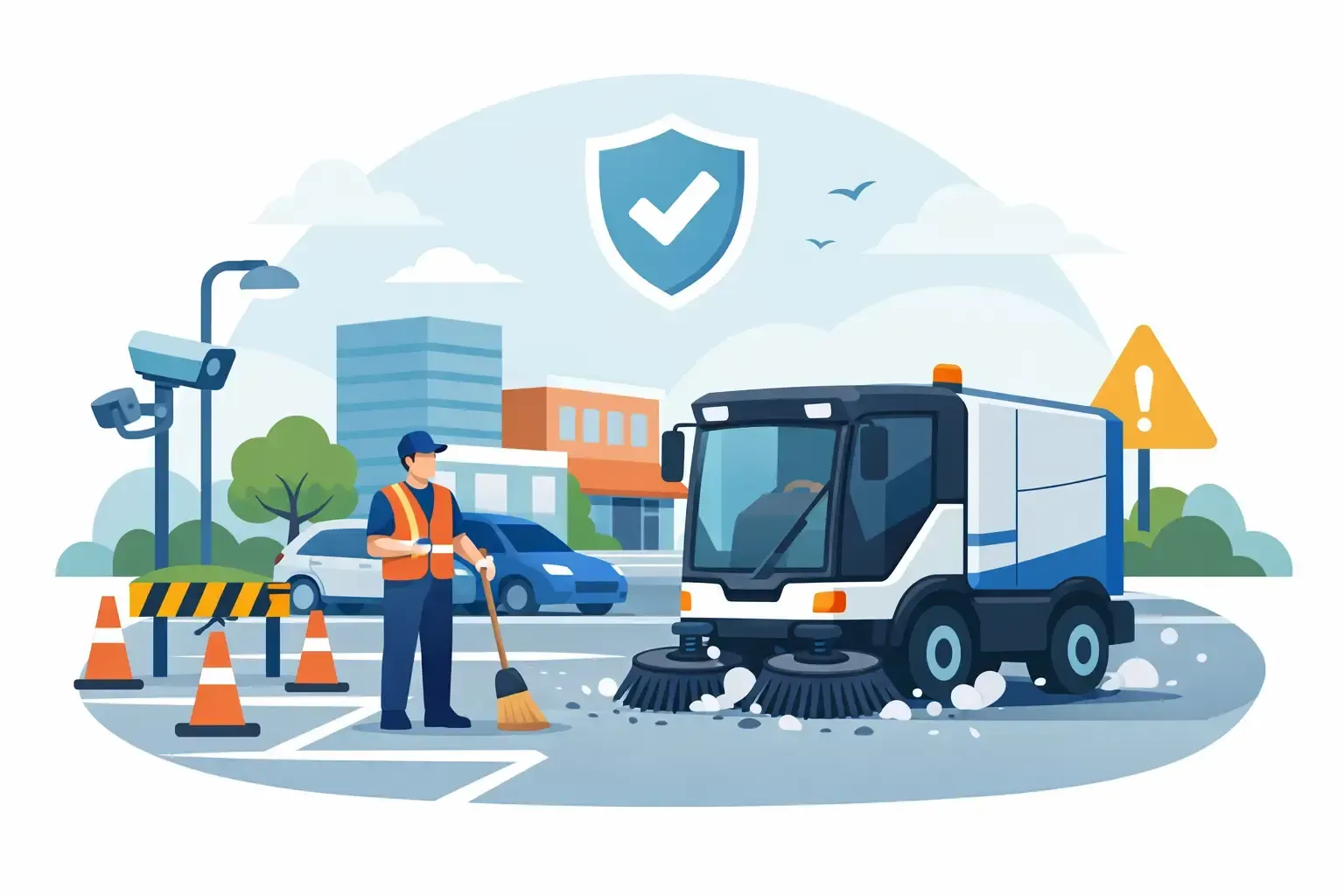
A customer pulling into your property sees the parking lot before they see your storefront, lobby, or staff. Loose trash, broken glass, leaves, and oily debris can make an otherwise well-run business look neglected. This business lot sweeping checklist helps property managers and business owners stay ahead of those problems with a routine that protects curb appeal, safety, and daily operations.
For commercial properties in Bartow, Lakeland, and across Central Florida, lot sweeping is not a once-in-a-while cleanup task. Wind, rain, landscaping debris, busy traffic patterns, and overflowing trash areas can change the condition of a lot quickly. A dependable schedule keeps small messes from becoming bigger maintenance issues.
Business Lot Sweeping Checklist: Start With the Right Schedule
The right sweeping frequency depends on how your property is used. A retail center with constant customer traffic may need several visits each week. A professional office property may need weekly sweeping, while a lower-traffic industrial site may be well served by a less frequent schedule.
Walk the property at different times of day before setting a schedule. Look at where debris collects after lunch, at closing time, after trash pickup, and following a storm. Pay close attention to entrances, drive lanes, dumpster enclosures, loading areas, and landscaped curbs. Those trouble spots usually determine how often service is needed.
Scheduling also matters. Many commercial properties are best swept overnight, before opening, or after employees and customers have left. The goal is clean pavement without interrupting traffic, deliveries, or normal business activity. A flexible provider can adjust service around your operating hours and seasonal needs.
Inspect Every Area Customers and Drivers Use
Sweeping only the open parking spaces leaves behind the debris customers notice most. A complete service plan should cover the full path people take through the property, from the entrance drive to the front door.
During each inspection, check the following areas:
- Entry drives, exit lanes, intersections, and access roads
- Parking stalls, wheel stops, curbs, medians, and fire lanes
- Sidewalk edges, storefront approaches, ramps, and crosswalks
- Dumpster pads, loading zones, receiving areas, and cart corrals
- Storm drains, drainage channels, catch basins, and low spots where debris gathers
- Landscaped islands and curb lines where leaves, mulch, and litter collect
These areas have different needs. A drive lane may collect gravel and road debris, while a dumpster area may need litter pickup and odor control. Storm drains require special attention because leaves, plastic, and sediment can restrict water flow. In Florida's heavy rain, blocked drainage can lead to standing water, slippery pavement, and damage to surrounding areas.
Remove Safety Hazards Before They Become Claims
A clean lot is safer, but sweeping should not be treated as a cosmetic service alone. Broken glass, nails, sharp metal, loose gravel, and slick organic debris can create real risks for customers, employees, and delivery drivers.
Your crew or service provider should report hazards that cannot be solved by sweeping. Deep potholes, damaged wheel stops, missing signage, failing paint, exposed rebar, and leaking equipment need repair or follow-up. Catching these issues early gives managers time to address them before someone gets hurt or a complaint comes in.
Pay special attention to curb ramps, accessible parking spaces, pedestrian crossings, and front entrances. These are high-use areas where debris can create a trip hazard or make the property harder to navigate. Sweeping should leave clear paths for people on foot, carts, wheelchairs, and service vehicles.
Keep Trash Areas Under Control
Dumpster enclosures can undermine the appearance of an entire property. Even when the parking area looks clean, loose cardboard, food containers, bags, and windblown trash around the dumpster tell tenants and customers that nobody is paying attention.
Include dumpster pads and enclosure perimeters in routine sweeping. Check for debris behind the enclosure, along fence lines, and under compactors or bins. If a location consistently has loose trash after collection day, the answer may be an extra visit rather than waiting for the next regular service.
Sweeping will not remove grease buildup, stains, or residue from a dumpster pad. When grime has built up, power washing may be the better next step. Pairing sweeping with periodic washing keeps these hard-working areas cleaner and reduces the odors and slippery conditions that come with neglected surfaces.
Check Drainage Areas After Storms
Central Florida weather can turn a clean lot into a debris field overnight. After high winds or heavy rain, inspect drains, curb lines, low areas, and the edges of landscaped islands. Leaves, branches, mulch, and litter often move toward the same drainage points.
Do not wait for the next scheduled visit if water is backing up or a drain is visibly blocked. Prompt debris removal can help prevent ponding water and keep traffic areas usable. This is one case where a routine plan needs room for as-needed service.
It also helps to look beyond the pavement. Overhanging trees, unsecured trash containers, and loose landscaping material can keep creating the same cleanup problem. Regular sweeping addresses the immediate mess, while a property manager may need to coordinate landscaping or waste service changes to reduce repeat issues.
Document Conditions and Recurring Problems
A good commercial sweeping program includes communication. Keep a simple record of service dates, weather-related cleanup, recurring debris locations, and hazards that need attention. Photos can be useful after storms, at high-traffic properties, or when a manager needs to show an owner why additional service is needed.
Documentation should be practical, not burdensome. The purpose is to spot patterns. If one corner of the lot is always covered in fast-food packaging, there may be a nearby tenant, bus stop, or wind channel causing the problem. If a loading area is constantly dirty, delivery schedules or container placement may need adjustment.
Clear communication also makes it easier to set expectations with tenants. They should know where trash belongs, when sweeping takes place, and who to notify when an exterior cleanup issue needs quick attention.
Do Not Treat Sweeping as a Substitute for Full Exterior Care
Parking lot sweeping handles loose debris well, but it has limits. Oil spots, gum, mold, algae, grime on sidewalks, and stained building approaches may require power washing. Overflowing trash cans and litter during business hours may call for porter service. Brush piles, abandoned items, or storm debris may need separate exterior cleanup.
The trade-off is simple: a basic sweeping schedule costs less, but it may not cover every condition that affects your property's appearance. A combined maintenance plan can be more efficient for busy retail centers, medical offices, restaurants, and multi-tenant properties because one dependable team can address several exterior needs on a coordinated schedule.
Make the Checklist Part of Routine Property Management
The most effective checklist is one that gets used consistently. Review lot conditions weekly, check service quality after the first few visits, and adjust frequency when traffic, weather, or tenant activity changes. A clean property should not depend on someone noticing a problem after it has already become visible.
Performance Power Sweep has served commercial properties since 1993 with trained crews, flexible 24/7 scheduling, and a straightforward commitment to keeping local businesses clean and presentable. Whether your property needs routine lot sweeping, street sweeping, porter service, power washing, or exterior cleanup, dependable maintenance helps your business put its best foot forward before the first customer parks.