
Routine Parking Lot Maintenance That Pays Off
June 29, 2026
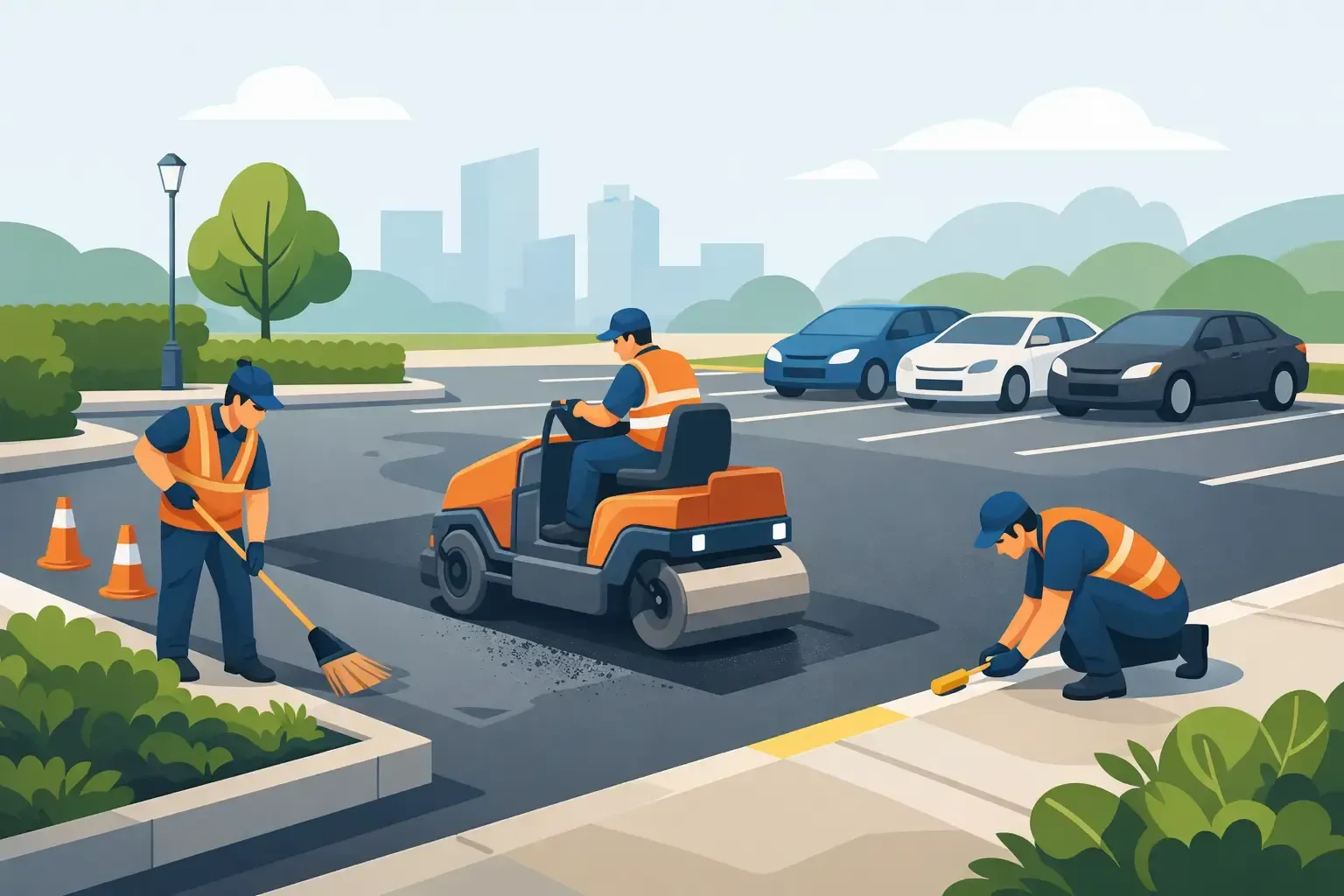
A parking lot tells people what to expect before they ever reach your front door. If they see overflowing debris, stained concrete, loose trash, and grime collecting around curbs and entrances, they notice. For commercial properties, routine parking lot maintenance is not a cosmetic extra. It is part of running a clean, safe, professional site that customers, tenants, and employees can trust.
For property managers and business owners in Bartow, Lakeland, and surrounding Central Florida communities, that matters every day. Parking lots take a beating from traffic, weather, landscaping debris, spills, and litter. The longer small messes sit, the faster they turn into bigger maintenance issues, safety concerns, and a property that looks neglected.
Why routine parking lot maintenance matters
Most people think of a parking lot as a paved surface with painted lines. In reality, it is one of the hardest-working parts of a commercial property. It handles vehicles, foot traffic, shopping carts, delivery activity, and whatever the wind blows in overnight. It is also one of the first places customers judge.
A neglected lot can hurt a property in ways that are easy to underestimate. Loose gravel, broken glass, leaves, trash, and oily buildup create slip, trip, and tire hazards. Dirt collecting near drains can contribute to drainage problems after heavy rain. Stained entrances and dirty sidewalks make even a well-run business look less professional than it is.
Routine maintenance helps prevent that slow decline. Instead of reacting after complaints start coming in, you stay ahead of the mess. That protects curb appeal, supports safer traffic flow, and helps the rest of the property look cared for.
What routine parking lot maintenance should include
The right maintenance plan depends on the property. A small office lot does not need the same attention as a busy retail center or a commercial site with frequent truck traffic. Still, most commercial properties benefit from a combination of recurring cleaning and targeted exterior upkeep.
Sweeping for debris control
Parking lot sweeping is the foundation of most ongoing maintenance programs. It removes litter, leaves, dirt, sand, cigarette butts, and other debris that collect across driving lanes, parking stalls, corners, and curb lines.
This does more than improve appearance. Regular sweeping keeps debris from being ground into the surface, washed into drains, or spread around entrances. It also reduces the chance that broken glass, nails, and loose material stay where customers and vehicles travel every day.
Pressure washing where buildup shows
Some dirt cannot be handled with sweeping alone. Entryways, sidewalks, dumpster pads, loading areas, and high-traffic pedestrian zones often develop grime, spills, gum, and stains that make a property look older and less cared for.
Power washing helps restore a cleaner appearance in the places people notice most. The key is using it where it makes sense. Some surfaces need frequent washing, while others only need periodic treatment. Overdoing it can waste money. Underdoing it leaves obvious problem areas untouched.
Porter services for daily touch-ups
On higher-traffic commercial properties, a lot can look messy again long before the next sweep cycle. That is where porter services come in. Routine touch-up work can include trash pickup, emptying exterior receptacles, cleaning around storefronts, and keeping common outdoor areas presentable during business hours.
For retail centers and busy business locations, this fills the gap between larger scheduled cleanings. It keeps the property from slipping backward between service visits.
Cleanup beyond the pavement
Parking lot maintenance is rarely just about the lot itself. Landscape edges, curbs, sidewalks, islands, and exterior common areas all affect how clean the site feels. If those spaces are cluttered with debris or neglected waste, the entire property looks unfinished.
That is why many commercial clients benefit from a broader exterior cleanup plan rather than a single isolated service. It is often more efficient to have one dependable provider handle sweeping, cleanup, and related maintenance on a recurring schedule.
The cost of waiting too long
A lot of commercial maintenance gets delayed because the problem does not seem urgent yet. That usually changes when the property starts getting noticed for the wrong reasons.
Customers notice litter. Tenants notice when common areas feel neglected. Employees notice when entrances stay dirty. Property managers notice when complaints start repeating. By then, the work usually takes more time and costs more than it would have with regular upkeep.
There is also the issue of wear. Dirt, grit, and debris do not just sit there harmlessly. Vehicle traffic grinds material across the surface. Organic debris traps moisture. Stains settle in. Drainage areas clog. Once conditions build up, routine service becomes corrective work.
That does not mean every property needs constant attention. It means consistency matters more than occasional cleanup bursts. A realistic schedule keeps conditions under control before they turn into larger operational or appearance problems.
How often should maintenance be scheduled?
It depends on traffic, property type, and how visible the lot is to the public. A medical office, shopping center, warehouse site, and apartment-adjacent commercial property all create different maintenance demands.
Busy retail properties often need more frequent sweeping and porter support because they generate daily foot traffic, food waste, packaging debris, and customer-facing expectations. Office properties may need less frequent service, but still benefit from regular sweeping and occasional washing to stay clean and professional. Industrial and logistics sites may deal with heavier dust, truck debris, or material tracking that changes the schedule entirely.
Seasonal conditions matter too. In Florida, storms, wind, rainfall, and fast-growing landscape debris can quickly change how a site looks. A schedule that worked during one stretch of the year may need adjusting during another.
The best approach is not choosing the cheapest possible frequency. It is choosing a schedule that matches how the property actually gets used.
Why after-hours service makes a difference
For many commercial properties, timing matters almost as much as the work itself. Maintenance should improve operations, not interrupt them.
That is why flexible scheduling is a real advantage. Sweeping, washing, and exterior cleanup often make the most sense before opening, after closing, or during lower-traffic hours. Customers are not navigating around service activity. Employees are not dealing with blocked access points. The property looks clean when people arrive, which is exactly when that first impression counts most.
This is especially important for multi-tenant properties and busy commercial centers where even minor disruptions can create frustration. Reliable crews that can work around your schedule make recurring service easier to stick with.
Choosing the right provider for routine parking lot maintenance
Commercial property owners do not just need a vendor who shows up once. They need a team that understands recurring exterior maintenance, works safely, and can be trusted to deliver consistent results without constant follow-up.
That means looking beyond price alone. Reliability matters. Experience matters. The ability to handle more than one type of exterior service matters too, especially if you are managing multiple areas of a property and want one point of contact.
A provider with trained crews, flexible scheduling, and a long track record in commercial service is often the better value over time. Performance Power Sweep, LLC has served local businesses since 1993 with that kind of dependable, no-nonsense approach, helping keep properties clean, safe, and ready for business.
A cleaner lot supports a stronger business image
Routine parking lot maintenance does not need to be flashy to be valuable. In most cases, the best results are the ones people barely think about because the property simply looks clean, organized, and well managed.
That kind of consistency supports your image every day. It tells customers the business cares about details. It tells tenants and employees the property is being looked after. It helps reduce hazards, control debris, and protect the appearance of the site without waiting for conditions to get out of hand.
If your lot is the first thing people see, it deserves regular attention. Keeping it clean is not about perfection. It is about making sure your property shows up the way your business wants to be seen tomorrow morning.